
Otoplasty
in Phoenix, AZ


For children, teens, and adults, protruding ears or prominent ears can be a lifelong source of self-consciousness. Fortunately, modern otoplasty surgery offers a safe and effective way to reshape the outer ear, restore facial symmetry, and boost confidence.
At Warrington Facial Plastic Surgery, Dr. Stephanie Warrington specializes in cosmetic otoplasty and related ear surgery techniques. As a fellowship-trained facial plastic surgeon, she combines surgical precision with artistic balance to create a natural, harmonious ear appearance that complements your facial features.

Corrects protruding ears, lop ear, cup ear, and other ear deformities.
Uses permanent sutures to reshape auricular cartilage and reposition the outer ear closer to the head.
Performed under local anesthesia with sedation or general anesthesia.
Typically 1–2 hours as an outpatient procedure.
Permanent improvement in ear position, shape, and facial symmetry.
Otoplasty, also known as ear pinning surgery, is a surgical procedure designed to correct protruding ears or reshape irregular ear structures. By addressing the auricular cartilage, surgeons can create a more normal ear appearance and restore balance to the facial features.
While often considered cosmetic facial surgery, otoplasty procedures can also serve as reconstructive surgery to correct congenital ear deformities, injuries such as cauliflower ear, or issues from prior surgeries.
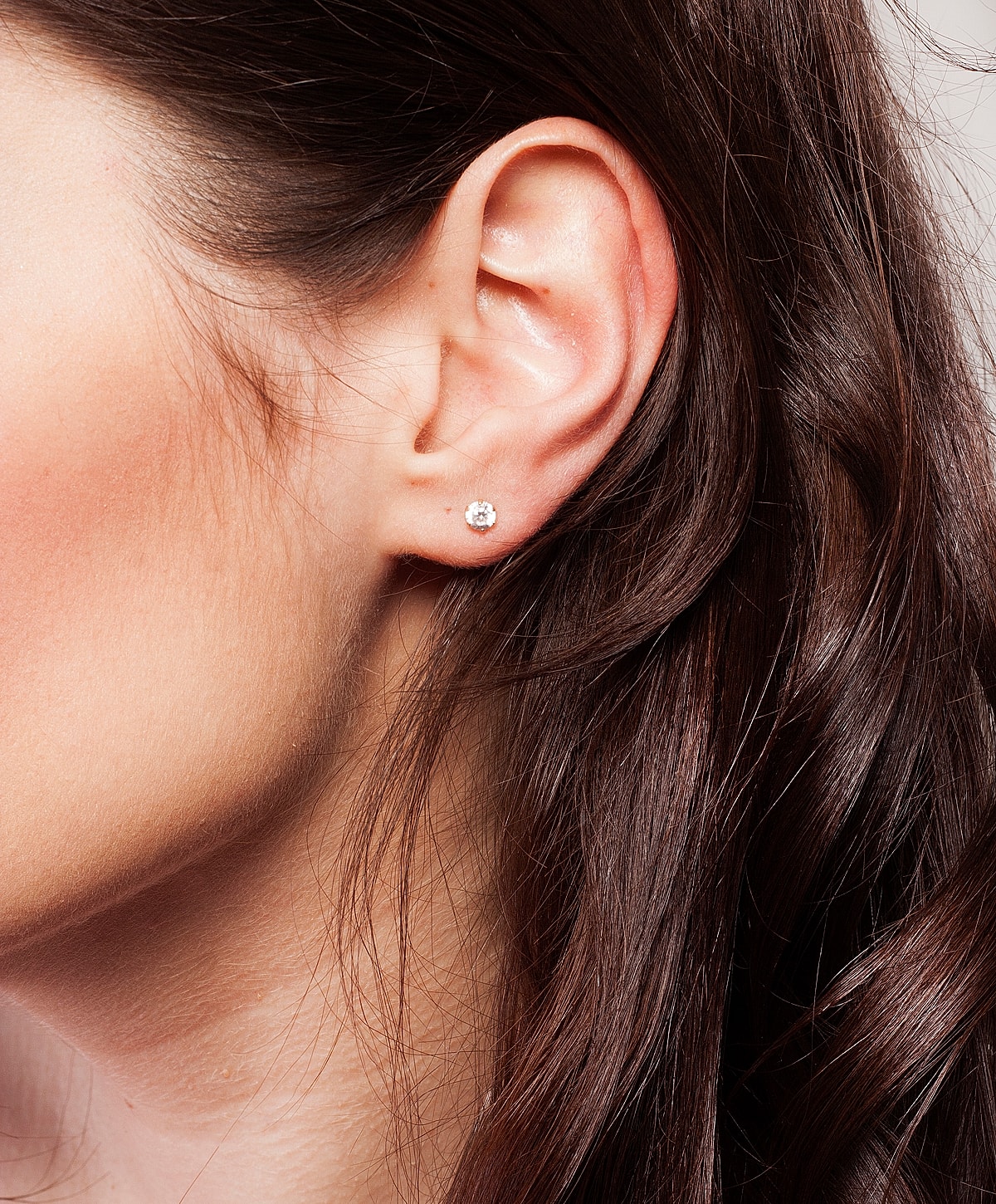
The outer ear receives its shape from flexible ear cartilage. Protruding ears may develop when the antihelical fold is shallow, the central conchal bowl is deep, or both features are present. One ear may project more than the other. Otoplasty planning identifies the structure creating the concern. Ear pinning brings the ears closer to the head while preserving their natural shape and facial relationship. The goal is improved harmony rather than identical ears or an unnaturally tight position.
At our practice near Phoenix otoplasty surgery is usually performed in an operating room as an outpatient procedure. Depending on the patient’s age and treatment plan, anesthesia may involve a local anesthetic with sedation or general anesthesia. The incision site is carefully designed to minimize the appearance of any otoplasty scar, with a small incision placed behind the ear along the posterior skin near the cranial surface.
This surgical technique allows Dr. Warrington to reshape the auricular cartilage, refining natural folds such as the superior and inferior crura or triangular fossa as needed. The ears are then repositioned closer to the head using permanent sutures for lasting improvement. Once the adjustments are complete, the surgical site is carefully closed and bandaged, and a loose headband is placed to protect the surgical site and support proper healing.

With an otoplasty Phoenix patients can correct a wide range of ear deformities and concerns, including:
Our Phoenix otoplasty surgery provides both aesthetic and psychological benefits:
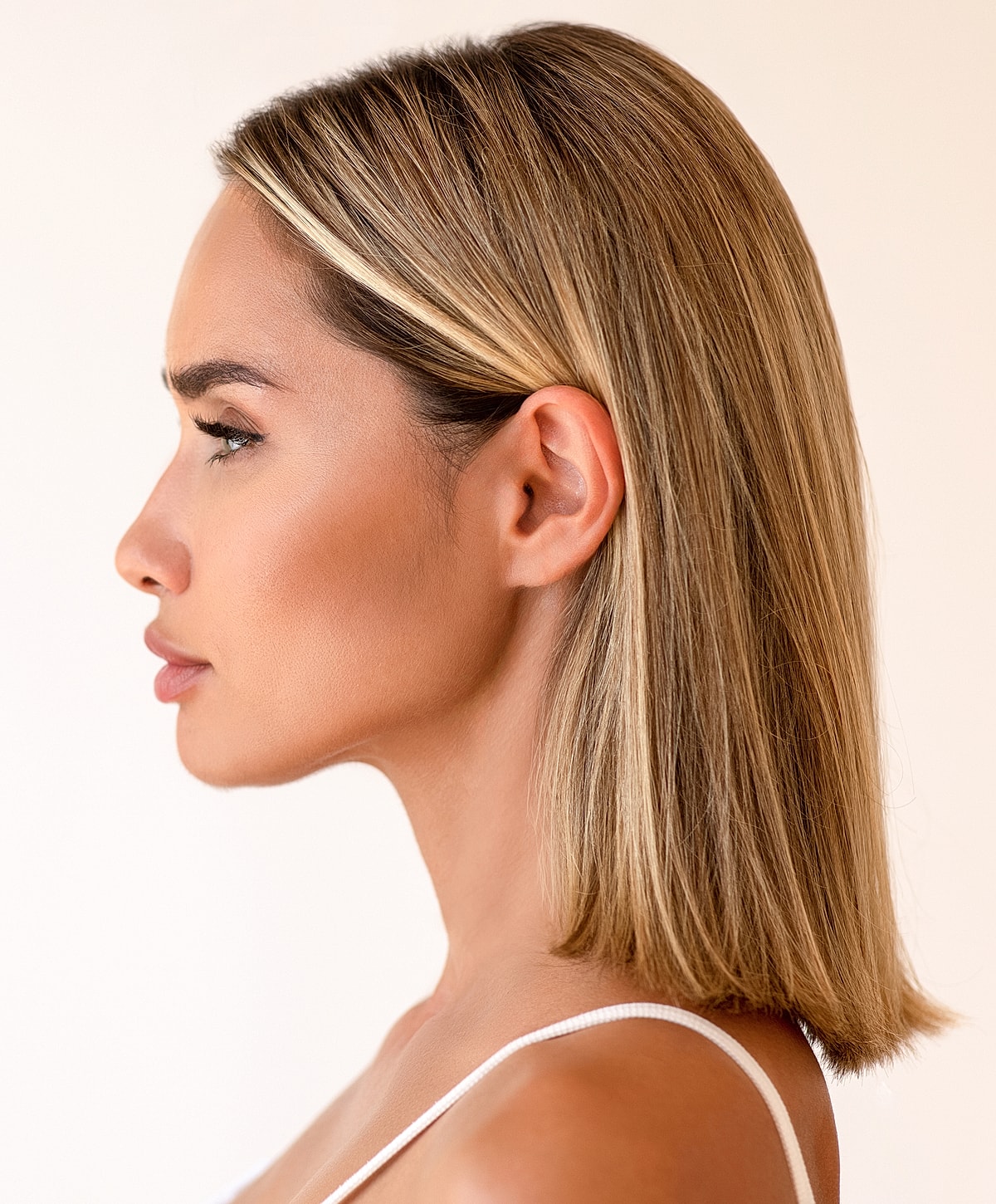
Otoplasty can be an excellent option for individuals seeking to address prominent or protruding ears, as well as other ear deformities. To determine if you're a suitable candidate, it's important to understand the key criteria for eligibility.
Healthy adults may consider cosmetic ear surgery for protruding, misshapen, or disproportionately large ears. Good candidates understand the procedure, have realistic goals, and can follow recovery instructions. Smoking, active infection, medical conditions, or poor healing may affect candidacy.
For pediatric patients, timing depends on physical and emotional readiness. A child’s ears and cartilage must be developed enough for correction, often around age five or six. The child should express personal feelings about surgery, cooperate with care, and avoid activities that could injure the ears.
Very soft infant cartilage may respond to early nonsurgical ear molding. That limited-window treatment differs from otoplasty performed later in childhood.
When Surgery Should Wait
Untreated ear infections, open wounds, unstable medical conditions, nicotine use, or an inability to follow protective aftercare may make surgery inappropriate. Parents should also pause if a child objects to the procedure or cannot understand the recovery restrictions.
Your otoplasty consultation includes an examination, photographs, and review of your medical history, medications, supplements, allergies, nicotine use, previous surgery, and healing. Dr. Warrington will explain the technique, anesthesia, incision placement, recovery, and realistic limits.
Arrange transportation and help at home, especially for a child receiving general anesthesia. Fill prescribed medications and prepare front-opening clothing that will not catch on the ears. Obtain a supportive headband if instructed. Do not change medication without prescriber approval.
Technique depends on cartilage anatomy. Dr. Warrington may create a natural fold, reposition the conchal bowl, remove limited excess cartilage, or combine methods. Some patients need correction on both sides; others need more adjustment on one ear.
Incisions are commonly placed on the back surface within or near the natural crease. Certain deformities require another small incision. After cartilage is reshaped and supported, dressings protect the new position. As an outpatient procedure, otoplasty usually allows same-day discharge.

Possible complications include bleeding, infection, asymmetry, sensation changes, scarring, contour irregularities, delayed healing, discomfort, visible or extruding sutures, recurrent prominence, and revision surgery. Cartilage may shift during healing.
Thoughtful planning helps manage risk but cannot eliminate it. Report worsening pain, fever, drainage, increasing redness, sudden swelling, an excessively tight dressing, or unexpected changes.

The healing process after otoplasty is generally smooth, with mild swelling and discomfort commonly managed with medication. While rare, complications such as blood clots or suture extrusion may occur. Patients wear a loose, protective headband for several weeks, especially at night, and should avoid strenuous activity and heavy lifting during the early recovery period. Most individuals can return to school, work, or social activities within one week, and the final otoplasty results are typically visible once swelling subsides, usually within 6–8 weeks.
Otoplasty offers a range of significant benefits for individuals seeking to correct prominent ears or ear deformities. The results extend beyond physical alterations, contributing to enhanced facial harmony and a renewed sense of self-assurance.
During the first days, swelling, bruising, tightness, and tenderness are expected. Keep dressings clean. Avoid sleeping on the treated ears; back sleeping reduces pressure on the incisions and cartilage. Many patients return to school or desk work in about one week. A supportive headband may be worn for several weeks, often at night. Avoid contact sports, heavy lifting, and activities that could bend the ears until cleared. Swelling subsides gradually over the following weeks or months.
Otoplasty reshapes or repositions the cartilage-supported outer ear. Earlobe repair treats torn earlobes, stretched piercings, or damage from heavy earrings. Earlobe surgery often uses local anesthesia, while otoplasty anesthesia depends on age and scope.
Some patients need both procedures, but repairing an earlobe does not correct protruding ears, and ear pinning does not close a torn piercing. Dr. Warrington can evaluate both concerns.
Otoplasty cost depends on complexity, anesthesia, facility fees, whether one or both ears are treated, and combined procedures. Cosmetic ear correction is not usually covered by insurance, although congenital or injury-related reconstruction may be treated differently. The practice provides an individualized estimate.
At Warrington Facial Plastic Surgery near Phoenix otoplasty surgery is performed by Dr. Stephanie Warrington, a fellowship-trained facial plastic surgeon and board-certified ENT. With advanced expertise in facial anatomy, auricular cartilage, and reconstructive surgery, Dr. Warrington provides personalized care to ensure natural, balanced results. Her approach combines surgical precision with compassionate attention, providing many patients with renewed confidence through the safe and effective correction of ear deformities.
Most patients experience mild discomfort during recovery, which is typically controlled with medication.
Children as young as five may undergo ear pinning surgery once the external ear is nearly fully developed.
Incision sites are hidden behind the ear along the posterior skin, making scars nearly invisible.
Otoplasty results are permanent, as auricular cartilage is reshaped and secured with permanent sutures.
Otoplasty cost varies depending on the complexity of the surgical correction and whether other procedures are combined.
Routine ear pinning changes the outer ear’s position or shape and is not intended to alter hearing. Hearing concerns, chronic infections, or eardrum problems require separate evaluation.
Otoplasty results are generally long-lasting, but recurrence can occur as cartilage heals or sutures change. Protecting the ears and following headband instructions support healing. Revision may be considered if position changes meaningfully.
Yes. Adult patients can undergo otoplasty when they are healthy, understand the recovery process, and have realistic aesthetic goals. Firmer adult cartilage may require a different surgical technique than softer cartilage in a child’s ears, but age alone does not prevent treatment.