
Neck Lift
in Phoenix, AZ


The neck changes faster than people expect. Loose skin, vertical bands, fullness under the chin, and a softer jawline can make the lower face look heavier even when the rest of the face still looks youthful. With a neck lift Phoenix patients can treat those changes directly, restoring smoother contour, a cleaner angle under the chin, and better definition from the jawline down.
At Warrington Facial Plastic Surgery, Dr. Stephanie Warrington approaches the neck as part of the full facial picture. She specializes in facial plastic surgery and performs the deep plane neck lift, working below the surface to reposition underlying tissues rather than relying on skin tightening alone. The goal is a contoured neck, a defined jawline, and natural-looking results that still look like you.
At our plastic surgery practice in Phoenix neck lift is a surgical procedure that improves loose skin, neck bands, excess skin, and fullness under the chin to create a smoother, more defined neck. This neck lift procedure can tighten loose skin, reshape the neck area, and improve the transition between the face and neck for a firmer, more youthful appearance.
Many patients start looking into a neck lift when the neck no longer matches the rest of the face. That may show up as neck skin that looks crepey, a double chin that blurs the profile, deep wrinkles or banding down the front of the neck, or an aged appearance caused by skin laxity and deeper tissue descent. Neck lift surgery is often the most effective option when the problem is structural. If the concern is excess skin, loose skin, unwanted fat, or sagging in the neck muscles, non-surgical treatment usually has limits.


Our Phoenix neck lift surgery is meant to treat the visible signs of aging that change the shape of the neck and lower third of the face. For some patients, the main issue is sagging skin or excess skin. For others, it is neck bands, unwanted fat under the chin, or an overall lack of definition through the jawline and neck.
A neck lift can improve:
This is often the point where many patients realize the issue is not just skin. It is the deeper support underneath. When neck muscles separate, fatty tissue shifts, or skin laxity becomes more obvious, a neck lift can achieve optimal results in a way that less invasive treatment usually cannot.
A neck lift focuses on the neck, jawline, and the area beneath the chin. These are the places where heaviness, banding, and loose skin tend to show first.

A neck lift can improve fullness under the chin and reduce a double chin. In some patients, this includes neck liposuction to remove unwanted fat or remove excess fat that is blunting the profile.
A neck lift can improve the border between the jawline and neck. This often creates a more defined jawline and a more attractive facial profile, even when the main problem starts below the jaw.
A neck lift can soften vertical neck bands and tighten the neck muscles. These bands are often caused by laxity in the platysma, the underlying muscle that shapes the front of the neck.
A neck lift can remove excess skin and tighten loose skin in the upper neck. This is often where the first visible signs of aging appear, especially in profile view or bright light.
A neck lift can make a major difference in the lower face without making the result look obvious. It is one of the most effective ways to create youthful contours when the neck has started to look heavier, looser, or less defined.
Neck lift benefits may include:
For many patients in Phoenix, the appeal is simple: the neck starts to look cleaner, firmer, and more in proportion with the rest of the face. That change can be subtle in the best way. It does not have to look dramatic to look better.

Yes. Many patients combine a neck lift with other procedures when aging is happening in more than one area. That is common, especially when the jawline, lower face, and neck are all changing together.
This is one of the most common combinations. If there is loose skin in the neck along with sagging jowls or descent in the lower face, a facelift and neck lift often create the most balanced result. The live site already presents neck lift as a procedure that is often combined with facelift for more complete facial rejuvenation.
A brow lift may be part of a broader facial rejuvenation plan when the upper face also looks heavy or lowered. This combination makes sense when the concern is not just the neck, but overall facial balance.
Eyelid surgery can be a good option when the neck and eye area are aging on a similar timeline. Treating both areas together can make the overall result feel more complete. The current neck lift page specifically mentions eyelid surgery as a common combination procedure.
In some patients, a mini facelift may be enough to improve early sagging in the lower face while a neck lift addresses more noticeable change below the jawline. The right treatment plan depends on where the aging is actually happening.
A good candidate for a neck lift is usually someone bothered by loose skin, excess skin, a double chin, neck bands, or a neckline that no longer looks firm or defined. Most patients are looking for a clearer contour, not a dramatic change. They want the neck to look more in line with the rest of the face.
You May Be A Good Candidate If…
A Neck Lift May Not Be The Right Fit If…
Dr. Warrington reviews your medical history, skin quality, neck anatomy, and goals during the initial consultation.
A neck lift is an outpatient surgical procedure that reshapes and supports the neck at a deeper level. The exact plan depends on what is causing the change. Some Phoenix neck lift patients require skin tightening and muscle repair. Others need neck liposuction, removal of excess fat, or a combination of both.
In general, the procedure follows these steps:
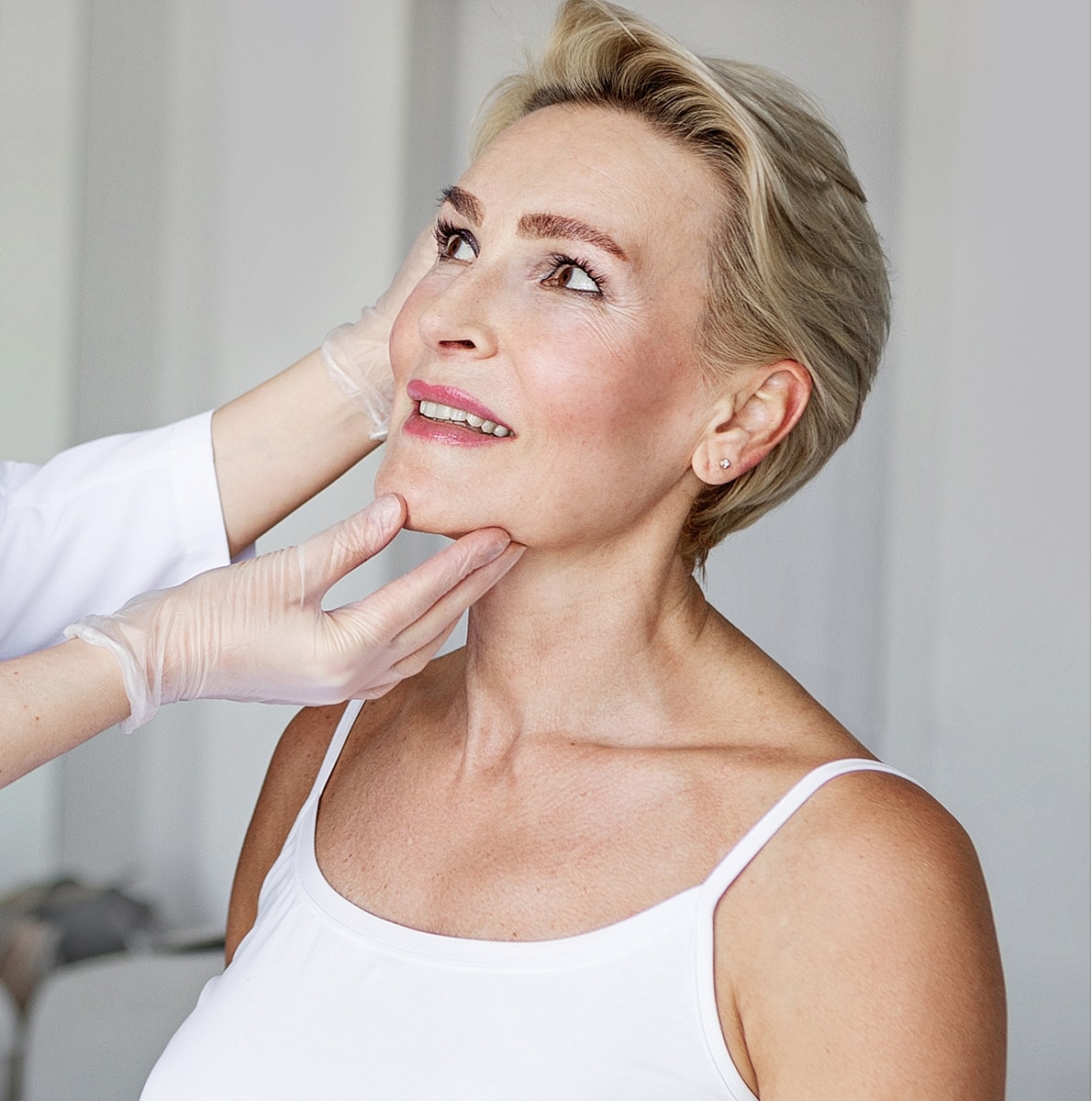
Dr. Warrington performs the deep plane neck lift, working below the surface to reposition the structures that actually shape the neck. That includes the neck muscles and deeper supporting tissue. She is fellowship-trained in facial plastic surgery and board-certified in ENT, which gives her a detailed understanding of both the face and neck.
Neck lift results usually show up in stages. Early on, many patients notice that the neck looks smoother and the jawline has a cleaner edge. As healing continues, the neck starts to look more defined, and the lower face looks less heavy. The result is a smoother neckline, firmer neck skin, improved definition under the chin, and better balance between the neck and lower face.
Neck lift surgery can create long-lasting improvement. Most patients enjoy results for 10 years or more, though aging still continues over time.
How long results last depends on skin quality, genetics, weight changes, and how the face and neck continue to age. Younger patients with good skin elasticity often hold onto their results especially well.
Most patients see meaningful early improvement within the first few weeks as swelling starts to go down. Final refinement takes longer. Swelling and bruising usually improve in two to three weeks, while full refinement takes several months.
Neck lift recovery is usually manageable, but it still takes planning. Most patients have swelling, bruising, tightness, and moderate discomfort during the early healing process. Keeping the head elevated helps minimize swelling, sutures are often removed in seven to ten days, and many patients return to normal activities within two to three weeks.
The more obvious swelling usually improves in the first few weeks. Smaller amounts can linger quietly for longer, especially in the neck area.
Scars usually look pinker or firmer before they fade. That is a normal part of healing.
Scar care matters because the neck and jawline are visible. Good healing starts with careful incision placement and continues with smart aftercare. Protecting the area from sun exposure, following wound care instructions, and avoiding too much tension during the healing process all help support better scar quality.
Neck lift incisions are usually placed around the ears, with an additional incision under the chin in some patients. That placement helps hide scars in natural contours while still giving access to the areas that need correction.
Dr. Stephanie Warrington is a fellowship-trained facial plastic surgeon and board-certified ENT with focused expertise in the face and neck. She specializes in facial plastic surgery, performs advanced deep plane neck lift surgery, and takes a conservative, anatomy-driven approach to facial rejuvenation. Her goal is natural-looking results, not an overdone look.
Neck lift cost depends on the amount of correction needed, whether the procedure includes neck liposuction or removal of excess fat, the type of anesthesia used, and whether it is combined with other procedures. Some patients need a more focused neck lift procedure. Others need deeper contouring or a combined face and neck plan. Exact pricing is best given after an in-person consultation and exam.
If you are bothered by loose skin, a double chin, neck bands, or an older-looking neckline, a neck lift may be the right next step. Schedule a consultation with Dr. Stephanie Warrington to find out whether neck lift surgery, a mini facelift, or a combined face and neck approach makes the most sense for your goals.
There is no perfect age. The best time is when loose skin, neck bands, or a double chin start to change your profile in a way that bothers you.
Yes, in many cases. A neck lift can remove excess skin and tighten deeper tissues that create the hanging look people often call a turkey wattle.
Not always. Some patients mainly need skin tightening and muscle repair, while others benefit from neck liposuction to remove unwanted fat under the chin.
Most patients are asked to keep their head elevated during the first several days of recovery to help minimize swelling and support healing.
It can help the jawline, but sagging jowls are often better treated with a facelift or mini facelift. Some patients combine procedures for a better result.
Many patients return to desk work in about 2 weeks, though visible swelling and bruising can last longer in some cases.
Yes. You should plan to have a friend or family member drive you home and stay with you right after surgery.