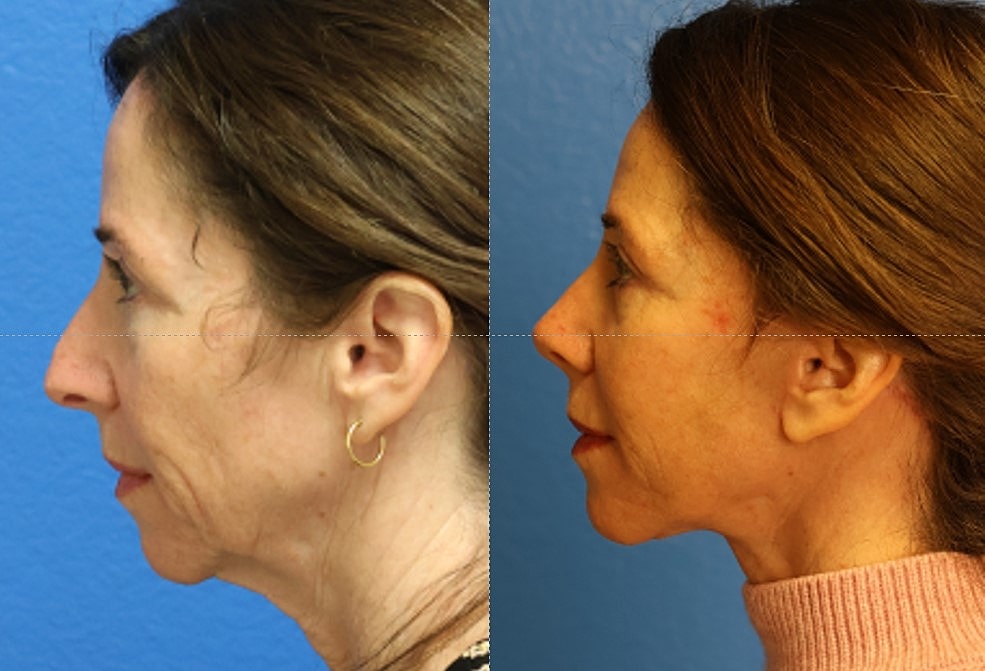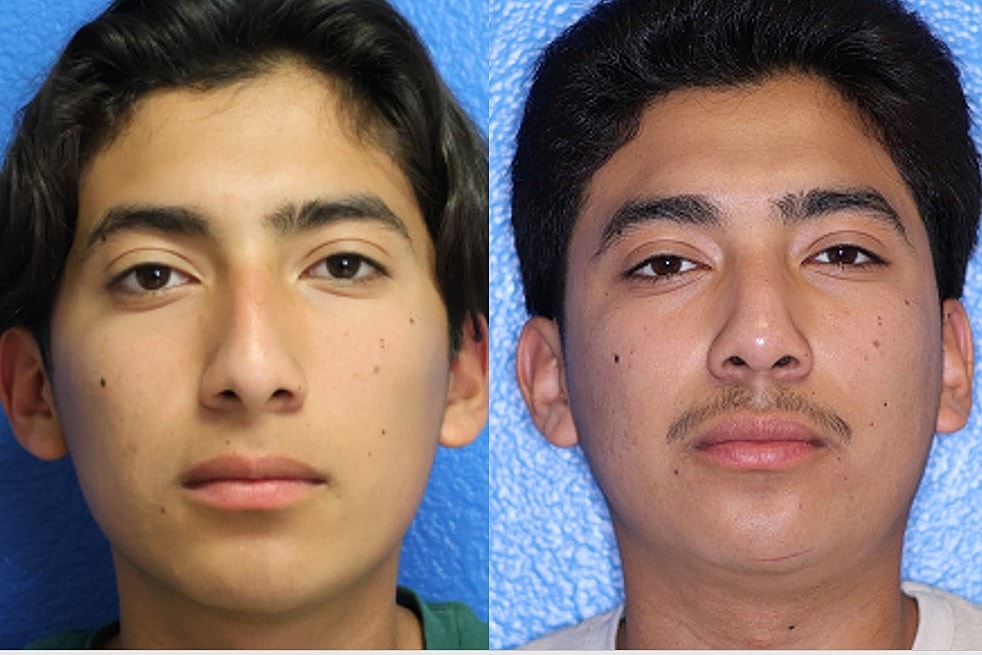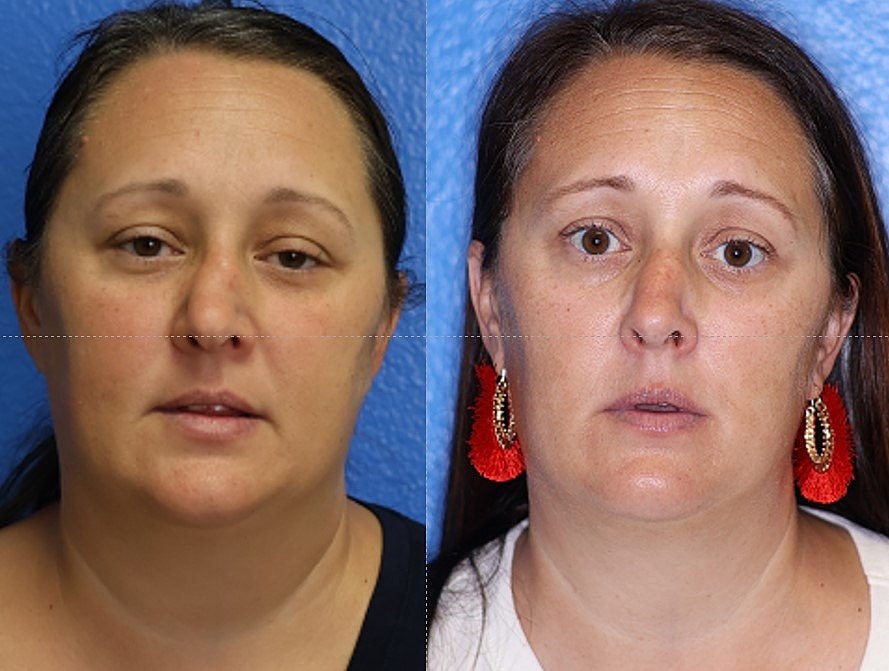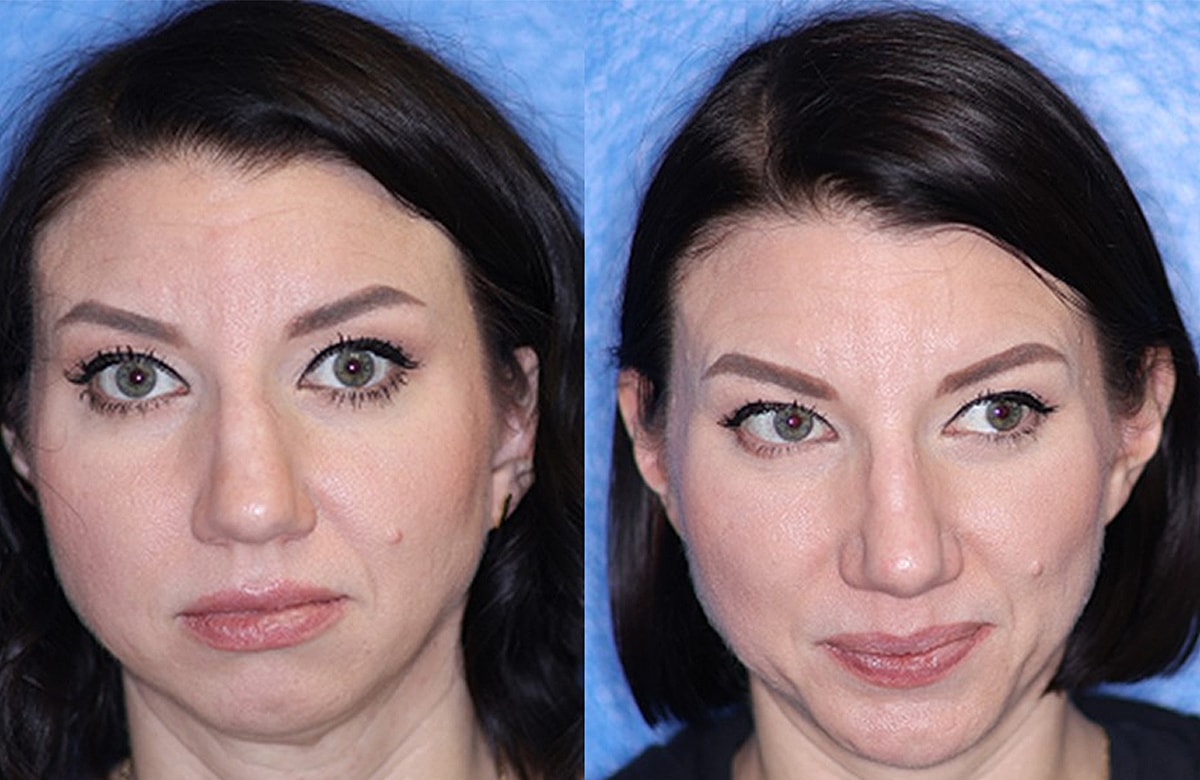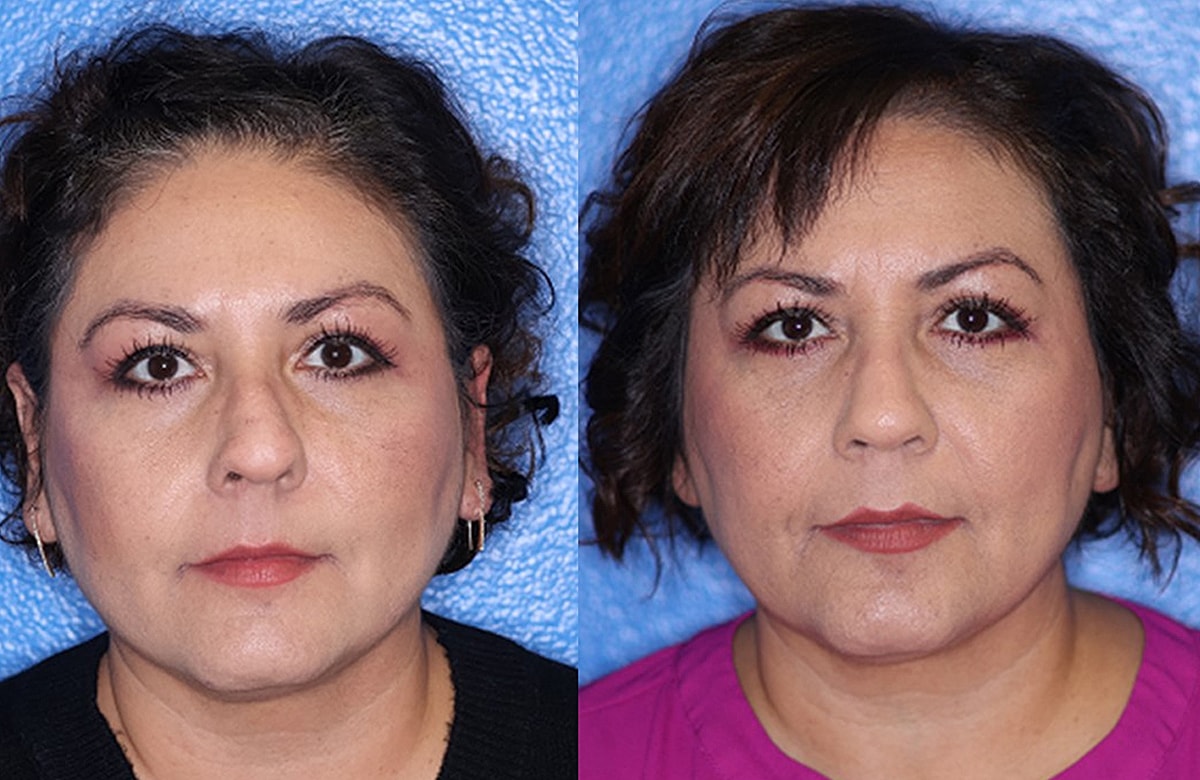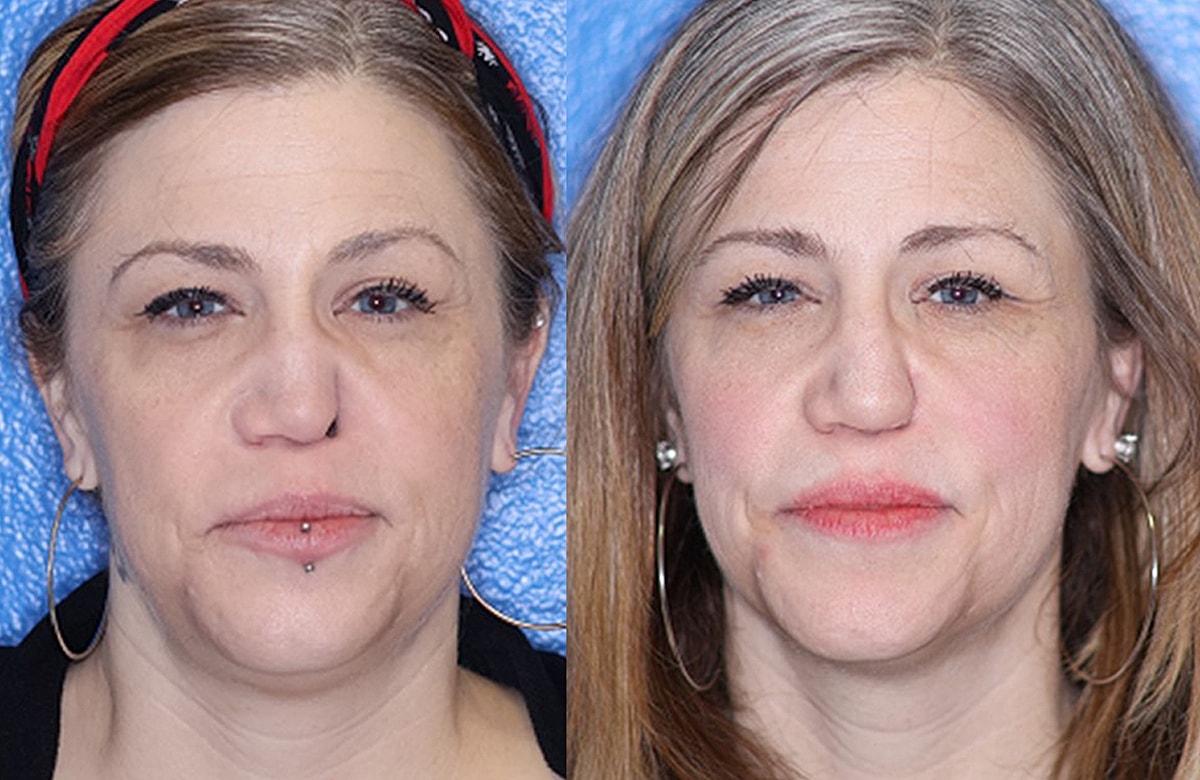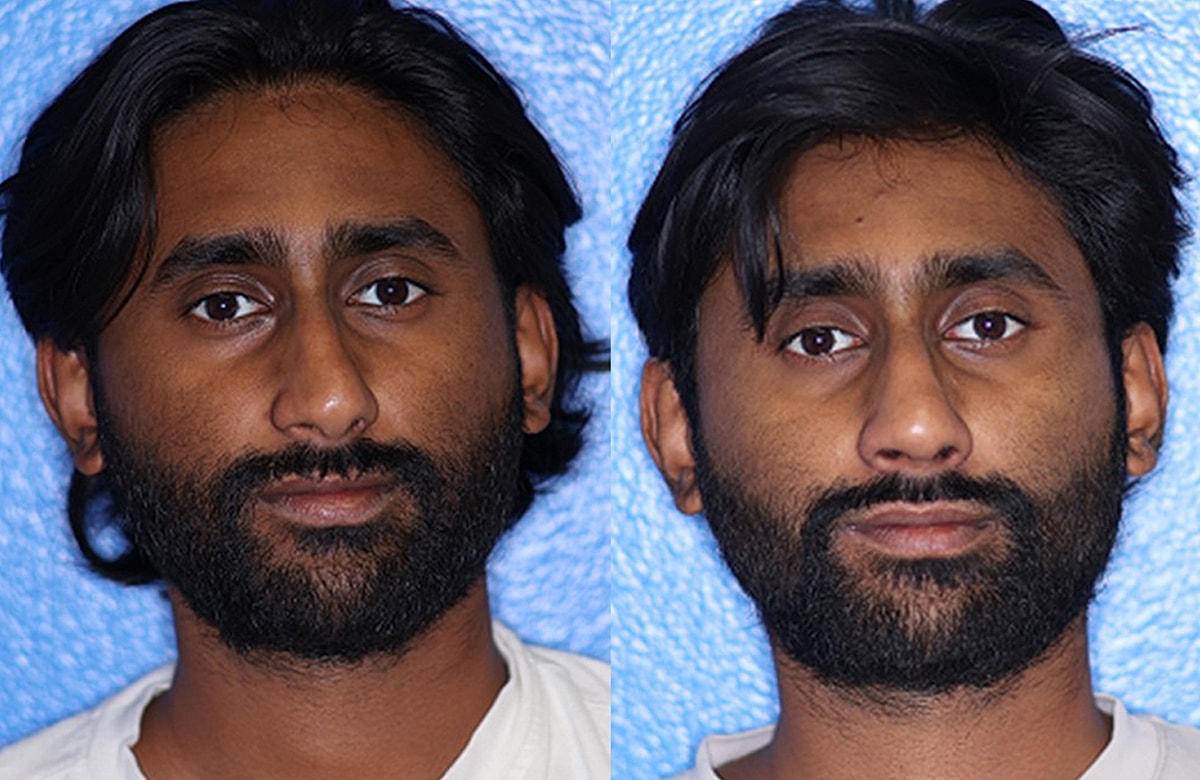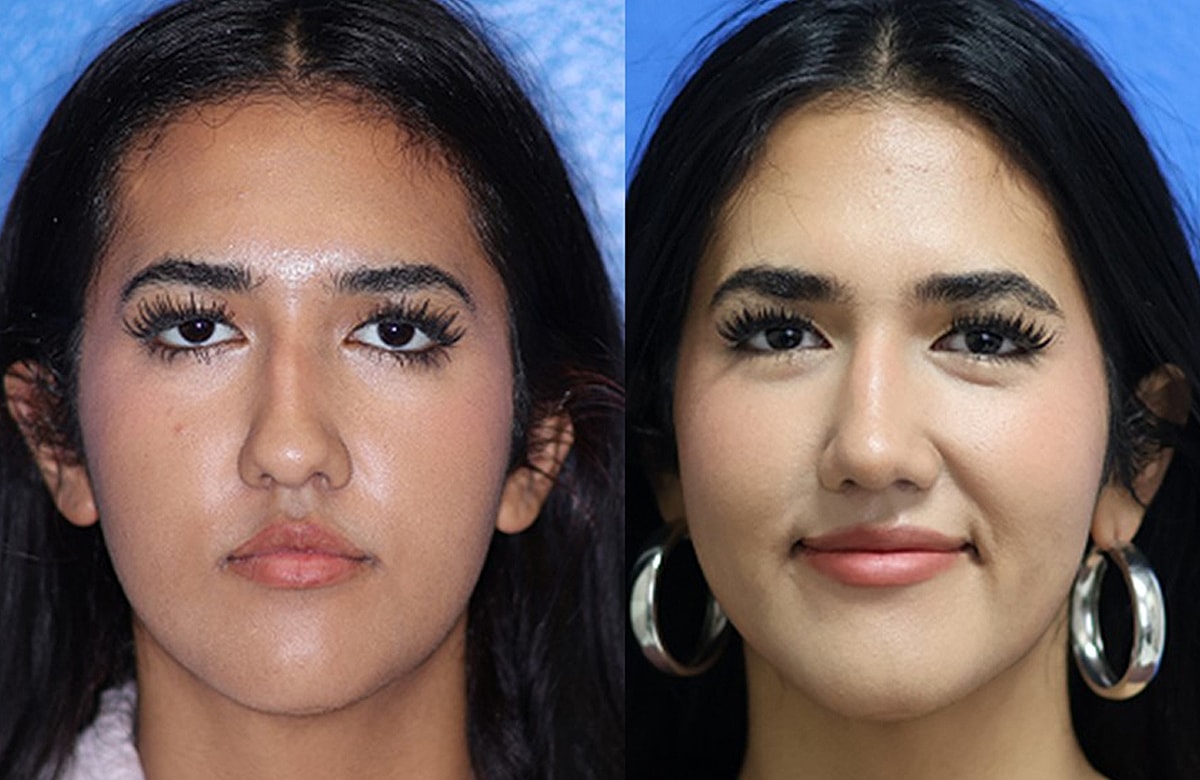
Rhinoplasty
Glendale, AZ


The nose influences how every surrounding feature is perceived. Even a measured adjustment to the bridge, tip, nostrils, or projection can change the relationship among the eyes, chin, upper lip, and profile. How well the nose functions belongs in that same discussion.
At Warrington Facial Plastic Surgery, rhinoplasty for Glendale patients is performed by Dr. Stephanie Warrington, a board-certified ENT and fellowship-trained facial plastic surgeon. That combined background is particularly relevant to nose surgery, where facial aesthetics, airway function, and soft-tissue healing intersect. Every plan must consider appearance and breathing from the beginning. Dr. Warrington performs open, closed, and functional rhinoplasty for cosmetic concerns, structural breathing problems, or a combination of both
1 of 9
Rhinoplasty is surgery that changes the nasal bones, cartilage, skin, and soft tissue to reshape or reconstruct the nose. Often called nose surgery or a nose job, it may address appearance, nasal obstruction, a deviated septum, birth-related differences, facial injuries, or concerns left by an earlier operation. The goals may be cosmetic, functional, reconstructive, or combined within one surgical plan.
The procedure can alter nasal size, contour, and proportion. When anatomy contributes to restricted airflow, carefully planned structural work may improve certain breathing problems as well.

Refines nasal contours, strengthens facial balance, treats concerns such as a crooked bridge or bulbous tip, and may improve airflow when nasal anatomy contributes to obstruction.
Depending on the anatomy and treatment goals, the procedure may involve open, closed, cosmetic, functional, ethnic, or revision rhinoplasty.
General anesthesia is used for most complete rhinoplasty procedures. Limited nasal surgery may sometimes be performed with local anesthesia and sedation when the surgical scope and safety considerations allow.
A nasal splint is commonly worn during the first phase of healing. Bruising and more visible swelling usually improve over the initial weeks, although residual tip swelling may take many months to resolve.
Rhinoplasty creates long-lasting changes in nasal contour, facial proportion, and structural shape. The outcome becomes increasingly defined as swelling decreases and the soft tissues settle against the framework.
Rhinoplasty pricing reflects the chosen technique, functional work, revision status, anesthesia and facility charges, and the extent of structural correction involved.

With a rhinoplasty Glendale patients can address aesthetic and functional problems related to inherited nasal anatomy, previous surgery, trauma, facial injury, or structures that restrict breathing. Surgery may focus on appearance, airflow, or both.
A deviated septum may contribute to blockage, but cosmetic rhinoplasty does not automatically straighten it. Septoplasty repositions and corrects the septum. The two procedures may be performed together when external shape and internal airflow both need attention.
Rhinoplasty is performed as an outpatient procedure at Warrington Facial Plastic Surgery. Following a consultation and complete nasal analysis, Dr. Warrington develops an individualized plan based on internal anatomy, facial features, breathing, and the requested changes. Surgery may reshape the paired nasal bones, anterior nasal spine, bridge, and tip while preserving the blood supply, nerve pathways, and structural support needed for healing.
Her understanding of the nasal framework, muscles, airway, and surrounding tissues supports a result intended to improve facial harmony while respecting healthy nasal function.
Several parts of the nose may be treated within one operation. Dr. Warrington examines the bridge, tip, nostrils, nasal base, septum, bones, airway, chin projection, and adjacent facial features before recommending a surgical approach.
The bridge forms the upper and central portion of the nose. Rhinoplasty may reduce a hump, narrow excessive width, straighten an irregular contour, or restore support following an injury.
A bridge that gives one face definition may dominate another. Treatment is designed for the individual rather than adapted from a standard nasal shape.
Tip anatomy affects projection, rotation, definition, and the angle where the nose meets the upper lip. Surgery can add support, refine broad or bulbous cartilage, elevate a drooping tip, or adjust excessive width.
Changes in the tip emerge gradually because this region commonly retains swelling longer than the bridge.
The nasal base and nostrils influence width, symmetry, and the appearance of the nose from the front. When indicated, small incisions near the nostril creases can be used to reshape or narrow this region.
Proportion guides the decision. Excessive narrowing can leave the nostrils and tip looking pinched.
Inside the nose, the septum divides the left and right nasal passages. When deviation interferes with airflow, septoplasty or functional rhinoplasty may be incorporated into the operation.
This is a meaningful part of Dr. Warrington’s training. As a board-certified ENT and fellowship-trained facial plastic surgeon, she assesses the nose as both an airway and a central facial feature.
Nasal bones may require repositioning when the bridge is fractured, crooked, excessively wide, or asymmetric. Careful bone work can refine bridge width and improve alignment.
A post-injury deformity may call for a different strategy than a nose that has always appeared broad or uneven.
For our patients in Glendale rhinoplasty can refine nasal appearance while supporting facial balance and, when structural work is included, nasal function. A well-planned rhinoplasty result should suit the patient’s facial anatomy, ethnic identity, skeletal structure, and natural expression.
Rhinoplasty candidates may have cosmetic goals, functional problems, or both. They should generally be healthy, have sufficiently mature nasal anatomy, understand the length of the healing process, and hold realistic expectations about the changes nasal surgery can provide.
Dr. Warrington may advise delaying surgery, revising the proposed plan, or selecting another treatment when rhinoplasty could compromise safety, breathing, support, or natural facial contours.
Preparation begins with an in-depth consultation with Glendale facial plastic surgeon Dr. Warrington. You will discuss your concerns, desired changes, and realistic expectations. Reference photos can be useful for explaining what you notice, but they do not serve as a template for another person’s nose. Be prepared to share a complete health history, including prior nasal procedures, facial injuries, allergies, sinus problems, breathing symptoms, bleeding conditions, and previous experiences with anesthesia.
Provide a full list of prescription drugs, over-the-counter medicines, supplements, and blood thinners. Some products may need to be paused under medical direction. Depending on your health and the planned procedure, preoperative laboratory work or medical clearance may also be required. Dr. Warrington will give you specific instructions concerning nicotine and medications or supplements that may increase bleeding.
Arrange for a responsible adult to drive you home and remain with you during the beginning of recovery. Prepare soft foods, extra pillows, and any supplies recommended by the practice. Leave room in your calendar for swelling, bruising, and rest. Dental work and facial treatments should be postponed unless Dr. Warrington has approved their timing. The consultation is also the time to ask detailed questions about breathing, incisions, technique, scars, recovery, and the changes that can reasonably be expected.
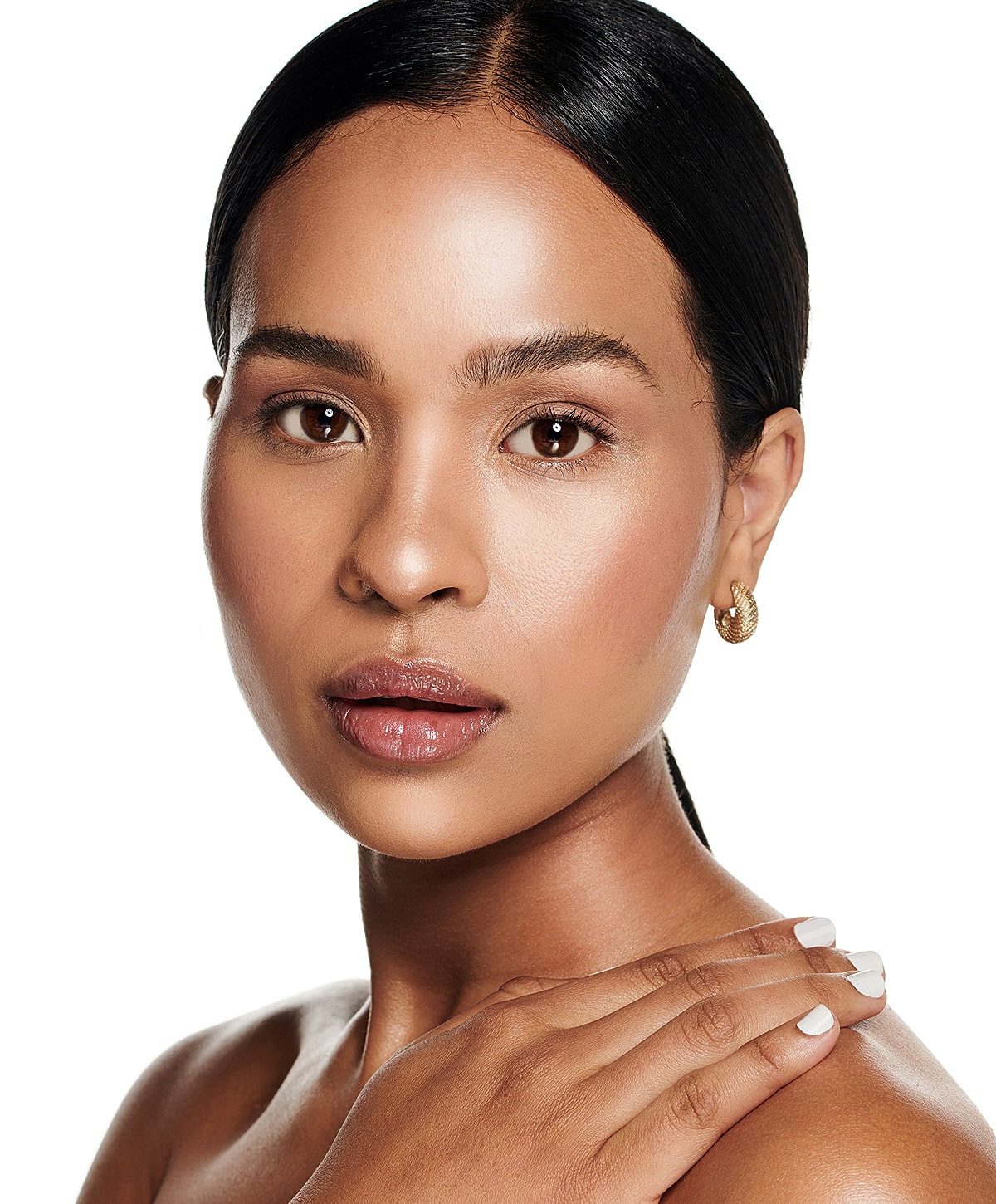
Rhinoplasty is an outpatient operation performed through carefully selected incisions. Bone and cartilage may be reshaped, structural grafts can be added when needed, and the skin and soft tissue are redraped over the adjusted framework. Dr. Warrington chooses the technique according to airway needs, nasal anatomy, skin thickness, previous surgery, and the degree of change being planned.
Following rhinoplasty Glendale patients often describe congestion, facial pressure, tightness, and heaviness rather than sharp pain. Nasal breathing can feel quite restricted at first, making patience an important part of early recovery.
Open rhinoplasty provides direct access to the supporting nasal framework. It can be especially useful for detailed tip refinement, crooked noses, ethnic rhinoplasty, revision cases, functional problems, and complex structural work.
The approach requires a short external incision beneath the nose. When carefully positioned and allowed to heal, that incision commonly becomes less noticeable with time.
Closed rhinoplasty places every incision within the nostrils. It may be appropriate for selected patients who need limited bridge or tip refinement and do not require the broader exposure of an open approach.
Closed surgery is not inherently the better option. It is useful when it matches the correction the nose requires.
Functional rhinoplasty treats structural causes of impaired airflow. These may include septal deviation, narrowed valves, weakened support, trauma, or crooked internal anatomy.
Breathing is never an afterthought in Dr. Warrington’s planning. Her ENT training brings additional perspective when a cosmetic change and airway correction must be considered together.
Revision rhinoplasty addresses aesthetic or functional concerns after an earlier nasal operation. Altered passages, scar tissue, lost support, and weakened cartilage can make the procedure more complex than primary rhinoplasty.
Some revision cases require cartilage grafts or more involved reconstruction. The planning must be correspondingly careful.
Rhinoplasty recovery includes bruising, swelling, congestion, splint care, temporary activity limits, and an extended period of refinement. Many facial plastic surgery patients are comfortable returning to public-facing routines after approximately one to two weeks. Final definition may require a year or longer, particularly at the tip.
During the first week, the splint, bruising, and swelling will be visible. After splint removal, many patients return to desk work or quieter plans if the remaining bruising feels manageable.
Allow closer to two weeks for a dinner or event where you prefer the surgery to attract little attention. Important photographs deserve additional recovery time.
Light walking is often encouraged soon after surgery. Workouts, bending, heavy lifting, contact sports, and other activities that elevate blood pressure must wait until Dr. Warrington gives clearance.
Avoid pressure or accidental impact to the nose. Glasses may require temporary adjustments, and sleep with your head raised as instructed.
Keep your head elevated and protect the nose from bumps. Avoid resting heavy glasses on the bridge until you receive clearance. Clean the area according to the provided instructions without repeatedly handling the nostrils.
Contact the office for a fever, significant bleeding, increasing one-sided pain, sudden swelling, a severe headache, or breathing changes that feel unusual or concerning.
The first change becomes visible when the splint is removed, but this is only an early version of the result. Swelling initially makes the nose feel firm and look broader or less defined. The bridge generally settles before the nasal tip.

Because rhinoplasty changes the cartilage and bone framework, its results are considered long term. The nose continues to age, however, and future appearance may be influenced by injury, skin quality, scar formation, and individual healing.
Most patients do not require another cosmetic operation. Revision rhinoplasty may be considered if structural concerns remain after previous surgery, breathing problems persist, or healing produces an unwanted contour. Each operation changes the tissues, so revision surgery warrants cautious planning.
Rhinoplasty scar location depends on the surgical approach. Closed rhinoplasty uses internal nostril incisions and therefore does not create an external incision line. Open rhinoplasty adds a short incision across the columella beneath the nasal tip.
An open-rhinoplasty scar may initially look pink or feel firm before gradually softening and fading. Avoiding nicotine, following scar-care instructions, and protecting the area from the sun can support healing.
No ethical surgeon can guarantee an invisible scar. A careful consultation should explain its location and expected maturation.

Rhinoplasty cost is determined by the work required. A limited cosmetic change to the bridge carries a different fee from functional or revision rhinoplasty involving valve support, cartilage grafts, tip reconstruction, and detailed structural correction. The total may include the surgeon, anesthesia, facility, testing, prescription medication, and postoperative care.
Warrington Facial Plastic Surgery does not provide exact pricing before examining the nose. A meaningful estimate requires Dr. Warrington to evaluate skin thickness, nasal anatomy, airway function, facial proportions, prior surgery, and the anticipated technique. The office then supplies a clear quote based on that individualized surgical plan.
Qualified patients may have access to financing through CareCredit.
Surgical rhinoplasty is appropriate when the nasal framework itself requires correction. Nonsurgical treatments can camouflage selected contours, but they cannot reduce nasal size, straighten a deviated septum, or resolve most structural breathing problems.
Option | Best For | Limitations |
|---|---|---|
| Surgical rhinoplasty | A hump, crooked bridge, bulbous tip, structural concerns, impaired airflow, and long-term change | Requires anesthesia, surgery, swelling, and recovery |
| Functional rhinoplasty | Nasal valve collapse, obstruction, and structural breathing problems | May leave cosmetic goals untreated unless aesthetic planning is included |
| Septoplasty | A deviated septum restricting airflow through the nasal passages | Does not reshape the external nose unless combined with rhinoplasty |
| Revision rhinoplasty | Functional or cosmetic problems following previous rhinoplasty | More complex because support and tissue planes have already been altered |
| Nonsurgical rhinoplasty | Temporary camouflage of small contour irregularities with filler | Cannot make the nose smaller or improve breathing |
| Liquid rhinoplasty | Mild bridge or contour concerns treated with filler | Adds volume, is temporary, and carries vascular risk; unsuitable for many noses |
Nonsurgical nose-job techniques have a limited role in aesthetic treatment, but they do not replace surgery when the primary problem involves nasal size, significant asymmetry, airflow, or framework. Patients comparing a facial plastic surgeon, qualified plastic surgeon, board-certified plastic surgeon, or another nasal specialist should ask how frequently the provider performs rhinoplasty and how breathing is assessed.
Rhinoplasty may be paired with another procedure when overall facial balance involves more than the nose. Chin augmentation is a common companion treatment because chin projection can change how large or prominent the nose appears in profile. Potential combinations include:
Combination treatment should remain practical. Adding more procedures does not automatically create a better plan.


Warrington Facial Plastic Surgery offers rhinoplasty in Glendale for patients who want a specialist trained in nasal function and facial aesthetics. Dr. Stephanie Warrington is a board-certified ENT and fellowship-trained facial plastic surgeon. Her work emphasizes individual anatomy, natural-looking changes, and preservation or improvement of function.
That combination of training is distinctive within the local market. Dr. Warrington understands internal and external nasal anatomy and evaluates the bridge, tip, septum, valves, passages, breathing, ethnicity, and surrounding facial features before recommending cosmetic nose surgery. Her approach is measured. The objective is not simply to produce the smallest possible nose. Treatment considers facial harmony, long-term support, breathing, and the structural consequences of every change. Those principles are particularly important in ethnic and revision rhinoplasty. Location matters during a procedure that requires multiple follow-up visits. For people in Glendale and across the West Valley, receiving specialty facial plastic surgery close to home can make postoperative care considerably easier.
Schedule a rhinoplasty consultation with Dr. Stephanie Warrington at Warrington Facial Plastic Surgery in Glendale, AZ. Call the office or request an appointment online to discuss cosmetic, functional, or revision rhinoplasty and whether another procedure belongs in the surgical plan.
Rhinoplasty pricing in Glendale depends on the surgical approach, anesthesia, facility requirements, functional correction, and whether this is a primary or revision operation. A limited cosmetic procedure generally costs less than complex functional surgery or revision rhinoplasty. Dr. Warrington provides an individualized quote after examining the nose and creating the treatment plan.
Yes. Nose job, nose surgery, cosmetic nose surgery, and rhinoplasty are familiar terms within the same category of nasal reshaping procedures. The goals may be aesthetic, functional, reconstructive, or a combination of these priorities.
It may improve airflow when structural anatomy contributes to nasal obstruction. Crooked internal structures, valve collapse, narrowed passages, or a deviated septum may require functional rhinoplasty, septoplasty, or both. Dr. Warrington’s ENT training informs this evaluation.
Open rhinoplasty combines internal incisions with a short incision beneath the nose, giving the surgeon broad access to the nasal framework. Closed rhinoplasty uses internal incisions only. The open approach is often chosen for detailed tip work, significant asymmetry, revision cases, and structural reconstruction.
Closed rhinoplasty leaves no external incision. Open rhinoplasty creates a small scar on the columella between the nostrils. With appropriate placement and healing, that line often becomes less noticeable over time, although no scar can be promised to disappear completely.
Avoiding an operating room does not make filler risk-free. Nonsurgical rhinoplasty involves injection within a high-risk vascular area and cannot reduce nasal size, repair major structures, or correct breathing. Surgical rhinoplasty remains the appropriate option when long-term structural change is needed.
Many patients take approximately one to two weeks away from work and social commitments. Swelling continues improving for months, with the nasal tip typically taking the longest to refine. Final results may require a year or longer to settle fully.
Your face is personal, and thoughtful care can help its features feel better aligned while preserving what makes them yours. At Warrington Facial Plastic Surgery in Glendale, Dr. Stephanie Warrington combines advanced facial training, nasal expertise, and attentive care to create plans centered on natural-looking form and healthy function. Schedule your consultation to begin a conversation about lasting, individualized change.