
Facelift
Glendale, AZ


Many people in Glendale think about getting a facelift for months before talking about it. Over time, cheeks can sag, the jawline becomes less defined, and the face may appear tired. Dr. Stephanie Warrington lifts tissue in the midface and lower face to help restore your natural look.
A facelift, also called a rhytidectomy, moves sagging facial tissue back to a more youthful position. Dr. Warrington uses a deep plane facelift technique, lifting tissue beneath the muscle layer before removing extra skin. This procedure does not fix sun damage, heavy eyelids, or a low brow.
Facelift At A Glance
Signs of aging often appear in several areas. Cheeks may sag, folds can become deeper, and fullness can develop along the jawline. A facelift helps with these changes, but issues like surface damage or skin texture need other treatments.

By lifting the deeper cheek tissue, the natural contour of your face can be restored after fullness has moved downward.
Lifting tissue that has dropped along the jaw can reduce the look of jowls and create a more defined jawline.
Loose skin and folds around the mouth may look softer once supportThe upper neck can look better after a facelift. However, loose skin, fat, or visible bands lower on the neck often require a separate neck lift. need a separate neck lift.

By restoring facial alignment, the face looks more balanced and less heavy at the bottom. Folds around the mouth become less noticeable, and the area where the face meets the neck appears smoother. Results are long-lasting, but the aging process will still continue.
Good candidates have enough sagging to justify surgery and are healthy enough to heal. Age doesn’t settle it. Skin quality, medical history, nicotine use, and expectations shape the recommendation.
Your cheeks have dropped, jowls show in photos, or repeated injections no longer address what bothers you.
If your main concerns are skin texture, brow position, eyelids, or lost facial volume, another treatment may be better for you. Some health risks may also mean surgery should be delayed.
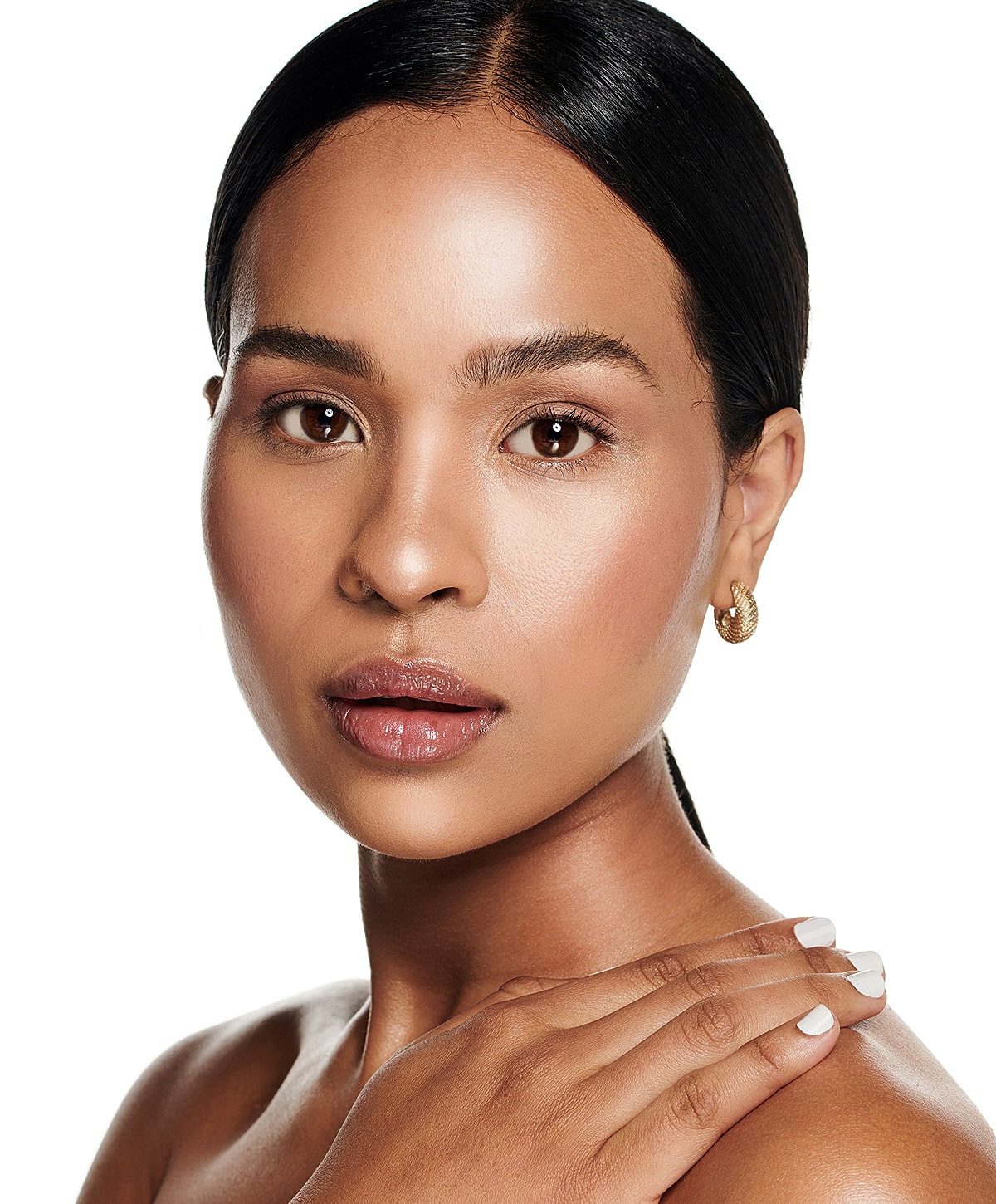
During surgery, you will be under general anesthesia. Dr. Warrington lifts deeper facial tissue through incisions made around the ears and hairline. After providing support, she removes extra skin and closes the incisions without pulling the skin too tight.
Deep plane surgery loosens certain structures so the cheek and lower-face tissues can move together. This deeper support often leads to more natural-looking results.

Sometimes, the eyes, brow, or neck can be treated during the same surgery. Adding these procedures will affect your recovery, so each one should have a clear purpose.
A neck lift addresses loose skin, fat, and muscle bands below the jawline.
Blepharoplasty, or an eyelid lift, treats excess skin and under-eye bags that look tired.
A brow lift may address upper-face heaviness from a low brow.
Fat transfer may restore volume after descended tissues are repositioned.
Male facelift planning starts with practical details: beard growth, sideburn position, and the hairline. An incision that works well on a woman can move hair-bearing skin too close to the ear or shift the sideburn. Dr. Warrington also considers scar visibility with shorter hairstyles and the stronger jaw angles many men want to preserve. The aim is a cleaner neck and jawline without feminizing the face or leaving obvious signs of surgery.

There is no ideal age. Younger patients may need a limited lift; healthy older patients may qualify for broader correction.
If you have had a facelift before, it changes how surgery is planned. Scar tissue and previous skin removal can affect what is safe, so a thorough examination is very important. A successful facelift result looks natural, with higher cheeks, a more defined jawline, and less heaviness in the lower face. Friends might notice you look refreshed, even if they cannot tell why. However, exact results cannot be guaranteed.Precise outcomes cannot be promised.
Facelift results last a long time, but the aging process will still continue. How long your results last depends on your skin, sun exposure, weight changes, health, and the type of procedure you have.
You will see changes as bruising and swelling go down. Tissues and incisions will keep softening over the next few months.
The most noticeable swelling goes away first. Some minor swelling may remain even after you feel comfortable going out.
All incisions will leave a scar. How visible the scar is depends on where it is placed, skin tension, genetics, nicotine use, sun exposure, and how you care for your skin after surgery.
Be sure to follow the wound-care instructions from our office and keep healing incisions protected from the Arizona sun. Only use scar products if your doctor recommends them.
Incisions usually curve through the hairline and natural folds around the ears.
New scars may appear pink or feel firm at first, but they will soften over time. It is not possible to guarantee that scars will be invisible.
Dr. Stephanie Warrington is a board-certified ENT and fellowship-trained facial plastic surgeon focused on the face and neck. She studies the cheeks, chin, jawline, neck, skin, and movement together before recommending surgery.

The cost of a facelift depends on the technique used, anesthesia, facility fees, and whether other procedures are combined. You will get a personalized estimate after your exam. Cosmetic surgery is not covered by insurance.

Photos can only show so much. Dr. Warrington will examine your face in person and explain your options, where incisions will be, possible risks, recovery, cost, and what to expect. Schedule a consultation in Glendale to get a recommendation based on your unique anatomy.
Deep plane surgery releases tissue beneath the SMAS. “Traditional facelift” may describe several techniques.
Many patients allow two to three weeks. Your procedure, job, bruising, and swelling affect the timing.
It may sharpen the upper neck. Greater laxity or banding usually needs a neck lift.
It may suit limited lower-face laxity. Anatomy matters more than age.
It can soften folds from cheek descent, though the lines won’t disappear completely.
No. A facelift changes tissue position. Tone, texture, and acne scars need skin treatment.